Lewisham rubbish recycling and donation options for reuse
Posted on 30/10/2026
If you are clearing out a flat, sorting a house move, or trying to deal with the aftermath of a big tidy-up, the question is rarely just "what do I throw away?" More often it is: what can be recycled, what should be donated, and what is simply ready for safe disposal? That is where Lewisham rubbish recycling and donation options for reuse become genuinely useful. Done well, they reduce waste, keep good items in circulation, and stop perfectly usable things ending up in the wrong bin. Done badly, it turns into a messy pile in the hallway. We have all seen that.
This guide walks through how reuse-focused rubbish handling works in Lewisham, what to do with different item types, when recycling is the right answer, and how to make practical choices without overthinking every single kettle, chair, or box of mixed bits. It is written for real life, not perfection.
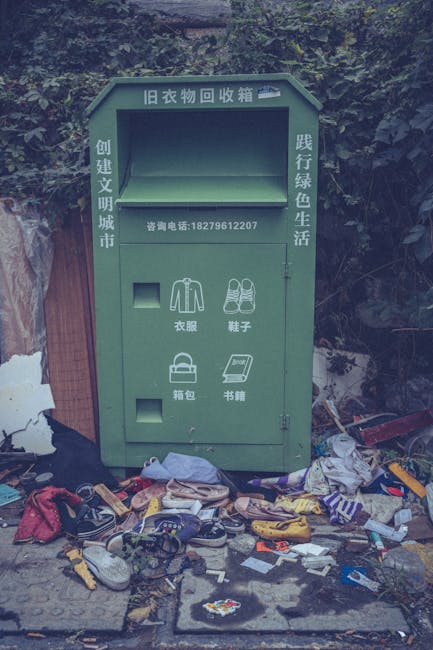
Why Lewisham rubbish recycling and donation options for reuse Matters
Reuse is the sweet spot between waste and recycling. If an item still has life left in it, passing it on is often the most sensible first step. Recycling is still valuable, of course, but it usually comes later in the chain, after an item can no longer be repaired, resold, or donated. That order matters.
In a borough like Lewisham, where people move frequently, furnish compact homes carefully, and often live in flats with limited storage space, the pressure to clear items quickly is real. Yet quick does not have to mean wasteful. A wardrobe in decent condition, a working microwave, books in good shape, or a solid dining chair set can often move into reuse rather than the rubbish stream.
There is also a practical side. Sorting items for reuse ahead of collection can make a clearance smoother, reduce disposal volumes, and help you make better decisions about what really needs to leave the property. If you are already looking into broader waste management, it may help to read the site's recycling and sustainability approach alongside this guide.
Key takeaway: the best waste decision is not always the fastest one. If an item can be reused safely, it usually should be. Recycling comes next, disposal comes last.
And yes, sometimes that means pausing for ten minutes to sort through a cupboard. Annoying? Slightly. Worth it? Usually, yes.
How Lewisham rubbish recycling and donation options for reuse Works
At a practical level, the process is simple: separate what can be reused, what can be recycled, and what needs collection as waste. The challenge is that many households contain mixed items, and the best option is not always obvious at first glance.
1. Start with condition, not category alone
People often ask whether something is "recyclable" when the better question is: can someone else still use it? A wooden chair with a loose leg may be repairable. A coat in good condition could be donated. A broken plastic toy, on the other hand, is probably neither reusable nor worth donating.
Think in this order:
- Reuse if the item still works and is clean enough to pass on.
- Recycle if the material can be processed and the item is accepted in local recycling routes.
- Dispose if the item is damaged, contaminated, or no longer suitable for either of the above.
2. Separate clean, dry recyclables from reusable goods
Mixing everything together makes the whole process harder. Cardboard boxes, paper, metal tins, and some plastics may go into recycling streams if they are clean and sorted correctly. Clothing, books, small appliances, toys, and homeware may be better suited to donation or reuse. A bit of early sorting saves a lot of second-guessing later.
3. Consider whether the item needs a small repair
Not every reusable item must be perfect. A lamp with a new bulb, a bike with a pumped tyre, or a table with tightened screws may be perfectly acceptable for donation or resale. That said, if the fix is substantial, be honest with yourself. No one wants a donation that turns into someone else's problem. That is just moving the clutter around.
4. Match the item to the right route
Large furniture might be better handled through a clearance service, while smaller reusable goods can be dropped at donation points or kept aside for a planned handover. Household items in decent condition can often be passed on more easily than bulky, worn-out pieces. For mixed-property clearances, the broader house clearance service can be a practical way to separate what stays in circulation from what needs removal.
If you are dealing with garden items, broken planters, outdoor furniture, or cuttings, the route is different again. For that kind of job, the dedicated garden waste removal option is usually more appropriate than trying to force everything into one pile.
Key Benefits and Practical Advantages
The biggest benefit of reuse is obvious: less waste. But the real advantages are broader than that.
- Lower disposal volumes because reusable goods are removed from the waste stream.
- Better environmental outcomes by extending the life of items already made and shipped.
- Less sorting stress when you have a clear plan for different item types.
- Potentially lower costs if fewer items need full waste collection.
- More room, faster when clutter is cleared methodically instead of dumped into one corner.
There is also a social benefit that is easy to overlook. A sofa, set of shelves, or working office chair may be worth far more to another household than to a bin lorry. Reuse keeps useful things circulating in the community a little longer. Simple idea, really. Still powerful.
For business users, the same logic can apply to office desks, chairs, filing cabinets, and IT-related items that are no longer needed but are still functional. If that is your situation, the office clearance service may be a better fit than a standard household collection.
Who This Is For and When It Makes Sense
This approach is useful for a lot of people, but it especially helps if any of the following sound familiar:
- You are moving home and need to declutter before handover.
- You have inherited items and need to sort what can be passed on.
- You are refreshing a rental property and want to clear old furniture responsibly.
- You are downsizing and suddenly every cupboard seems to contain an old "maybe later" item.
- You run a small business and need to remove equipment without creating unnecessary waste.
- You are clearing after a refurbishment and do not want reusable items mixed with builders' rubble.
Sometimes the best decision is not to donate everything. That is worth saying plainly. If an item is damaged, stained, unsafe, or missing key parts, reuse may not be realistic. In those cases, look at the correct disposal route instead. For building-related waste, the builders waste disposal service is far more suitable than standard recycling or donation.
Local context matters too. Lewisham includes flats, terraces, maisonettes, and busy streets where access can be tricky. If you live in an apartment with narrow stairs or limited parking, planning your reuse and waste separation in advance makes the whole process much smoother. That is especially true in places like Hither Green or Catford, where access can be part of the challenge. If you want a realistic sense of how access affects clearance, the article on access tips for flats in Hither Green is worth a look.
Step-by-Step Guidance
If you want a clear, no-nonsense process, use this:
- Walk through the space once without moving anything. Just look. Note what is reusable, recyclable, or waste.
- Create three separate zones. One for donations or reuse, one for recycling, one for disposal.
- Check condition honestly. Clean, safe, complete, and working items are the best reuse candidates.
- Remove personal data. This matters for phones, laptops, documents, and sometimes office equipment too.
- Bag and box by category. Books together, textiles together, small electronics together. Keep it tidy.
- Set aside hazardous or specialist items. Batteries, paint, and certain electrical items need careful handling.
- Arrange the right collection or drop-off route. Reuse first, recycling second, disposal last.
- Take a final sweep. A surprising number of people miss the top of wardrobes, under beds, and the back of cupboards. Happens every time.
For time-sensitive clearances, it can help to coordinate your sort-out with a fast collection window. The page on same-day rubbish collection quotes in SE13 may be useful if speed matters.
Expert Tips for Better Results
After enough clearances, a few patterns become obvious.
Be selective about what you donate
Donation is generous, not magical. Don't send along items that are broken beyond sensible repair, missing safety-critical parts, or heavily soiled. A chipped mug is one thing. A wobbly chair that feels one stretch away from collapse is another.
Keep textiles and hard goods separate
Clothing, curtains, and bedding often need different handling from furniture and electricals. Keeping them separate makes reuse simpler and avoids contamination.
Take photos before you decide
It sounds minor, but photos help you judge condition more clearly. Under bright daylight, scratches, stains, and damage tend to show up more honestly than under a dim hallway bulb at 7:30 in the evening.
Think in terms of "future usability"
A useful question is: would I be happy receiving this item myself? If the answer is no, it probably should not be donated.
Ask about collection timing early
If you are planning on donating furniture or moving a lot of reusable goods, timing matters. Good items sitting in a damp hallway for a week stop looking like good items quite quickly. And nobody wants that smell of old cardboard and rain-soaked fabric.
If you are comparing waste removal choices or trying to keep costs sensible while protecting reuse value, the site's pricing and quotes information can help you think through the practical side before you book anything.

Common Mistakes to Avoid
Reuse and recycling go wrong in predictable ways. The good news is that most mistakes are easy to fix.
- Mixing dirty recyclables with clean ones. A greasy takeaway box can spoil a batch of otherwise useful cardboard.
- Donating unsafe items. If it could injure somebody, it should not be passed on casually.
- Leaving sorting until the last minute. That is how reusable things end up in the bin because the clock is ticking.
- Forgetting data-bearing devices. Old laptops and phones need a proper check before reuse or disposal.
- Assuming all electrical items are the same. Small appliances, cables, and larger white goods often need different handling.
- Overfilling donation bags. If the bag tears, the whole thing becomes awkward fast.
One of the most common everyday problems is simple overload: you start with "just a few bits," then realise you have three broken lamps, two boxes of cables, and a dining table no one wants. In that moment, a structured clearance plan is worth its weight in tea bags.
Tools, Resources and Recommendations
You do not need specialist equipment for most reuse sorting, but a few basics help a lot:
- Sturdy boxes for books, small household items, and grouped donations.
- Marker pens and labels so nobody later wonders whether a box is "reuse" or "rubbish."
- Heavy-duty bags for textiles and soft goods.
- Blankets or wrapping to protect reusable furniture during movement.
- A simple checklist for rooms, lofts, cupboards, and storage areas.
If you need a more general view of the company's service range before planning a larger clearance, the services overview is a sensible place to start. And if you are curious about the business itself, the about us page gives a bit more background on the team and how the work is approached.
For people who want the broader sustainability picture, the site's recycling and sustainability page sits well alongside this article. It is useful for understanding how reuse fits into a wider responsible-waste approach.
Law, Compliance, Standards, or Best Practice
Reuse and recycling are practical choices, but they also sit within ordinary UK expectations around waste handling. You do not need to become a compliance expert overnight, though a few basics are worth keeping in mind.
First, only pass on items that are safe and appropriate for reuse. That is common sense, but it matters. Second, make sure waste is handed to a responsible carrier or route where necessary. Third, separate anything that may be hazardous, contaminated, or unsuitable for general collections. Some items need special care, especially if they contain batteries, chemicals, sharp components, or electrical parts.
For furniture and electricals, the best practice is simple: keep reusable items clean, check they are complete, and avoid donating anything you would not feel comfortable receiving yourself. If you are unsure, err on the cautious side. That is not overcautious. It is just sensible.
There is also a good housekeeping point for homes and businesses: if you are clearing out during a move, refurbishment, or office reset, keep records of what went where. Even a basic note on your phone can help. This is especially practical for larger clear-outs, and it avoids the "Where did that chair go?" conversation later. Not exactly the stuff of legend, but useful all the same.
Options, Methods, or Comparison Table
Here is a simple comparison of the main routes for items in decent condition or near-decent condition.
| Option | Best for | Pros | Watch-outs |
|---|---|---|---|
| Donation | Clean, working household goods, clothing, books, small furniture | Extends item life, supports reuse, keeps items out of waste streams | Items must be acceptable condition; not everything is suitable |
| Reuse / passing on privately | Furniture, homeware, tools, and goods someone else can use quickly | Fast, practical, often low cost | Needs coordination and honest description of condition |
| Recycling | Clean materials like cardboard, metals, some plastics, textiles where accepted | Useful for materials that cannot be reused | Contamination can reduce what is actually recycled |
| Professional waste collection | Mixed clearances, bulky items, inaccessible properties, time-sensitive jobs | Convenient, efficient, reduces stress | Requires clear sorting if you want to maximise reuse and minimise disposal |
If your clearance has a lot of furniture in it, especially bulky or awkward pieces, the furniture disposal service may be the most practical route. For heavier household clearances where everything is mixed together, the dedicated waste collection service can be the simpler option.
Case Study or Real-World Example
Picture a typical Saturday morning in a Lewisham flat: two rooms, a hallway that seems smaller than it was last year, and a pile of "we'll deal with it later" items by the sofa. There is a bookcase in good condition, a working toaster, a box of old cables, a cracked laundry basket, and three office chairs from a home workspace that are no longer needed.
The first pass separates the bookcase, toaster, and one chair that is still sturdy enough for reuse. The cables are checked and tied together for recycling or specialist electrical handling where appropriate. The cracked laundry basket and the damaged chairs are marked for disposal. That one pass changes everything. The room opens up. The choices get easier. And by the end, the hallway is no longer a narrow obstacle course.
This is the real value of reuse-led sorting: you stop treating every unwanted item as the same problem. You give the good things a second life, recycle what can reasonably be recycled, and only send away what genuinely has no better route. For a full-property clear-out, people often combine this approach with a more complete house clearance so the whole process is handled in one go.
Practical Checklist
Use this before you book collection or pass items on:
- Have I checked whether the item is clean, safe, and still usable?
- Can it be repaired easily, or is it beyond sensible repair?
- Is it suitable for donation without causing a problem for the next person?
- Have I separated recyclable materials from reusable goods?
- Have I removed personal information from electronics, documents, and devices?
- Have I kept hazardous or specialist items aside for the correct route?
- Do I need a faster clearance because of moving dates, access issues, or limited storage?
- Have I measured large items before moving them downstairs or through tight spaces?
- Do I know which pieces are staying in circulation and which are being removed?
- Have I double-checked the final corners, cupboards, loft spaces, and under-bed storage?
Small checklist, big difference. Honestly, it saves more stress than people expect.
Conclusion
Lewisham rubbish recycling and donation options for reuse are not just a nice extra. They are the practical way to clear space without wasting things that still have value. Once you get into the habit of sorting by condition, keeping reusable items separate, and choosing the right route for each material, the whole process becomes calmer and more efficient.
Whether you are clearing a home, an office, or a single room that has somehow accumulated far too much stuff, the best result is usually the same: fewer items wasted, better use of what you already own, and a cleaner finish at the end. That feels good. It really does.
Get a free quote today and see how much you can save.
And if all you do after reading this is rescue one usable item from the bin pile, that is still a win.
 Tipper Van - Waste Removal and Waste Collection Prices in Lewisham, SE13
 Luton Van - Waste Removal and Waste Collection Prices in Lewisham, SE13


